
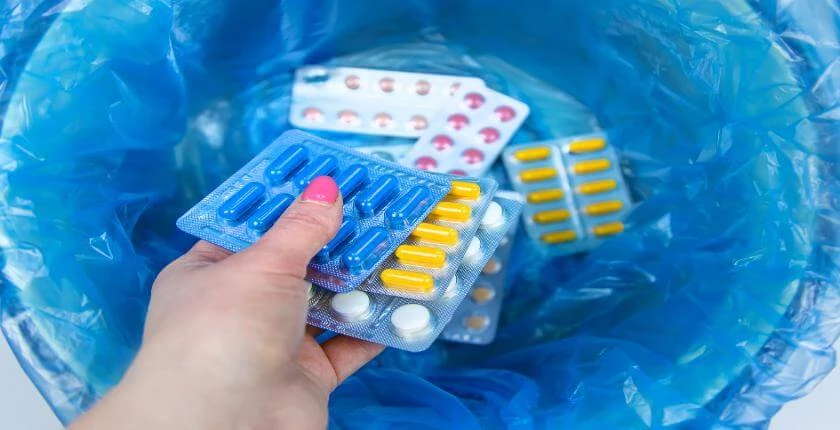
Pharmaceutical Waste Disposal
Get in TouchAt Refine Waste Cleaning Services, we specialise in pharmaceutical waste disposal for healthcare facilities and pharmacies and the surrounding area. Our service includes the safe collection, transportation, and disposal of various pharmaceutical waste types.
We ensure compliance with relevant regulations, protecting both people and the environment from potential hazards. Contact us today to arrange your pharmaceutical waste disposal.
What Is Pharmaceutical Waste Disposal?
Pharmaceutical waste disposal is the process of safely managing expired, unused, or contaminated pharmaceuticals. At Refine Waste Cleaning Services, we handle this crucial task.
Our processes ensure that pharmaceutical waste, including hazardous drugs and controlled substances, is disposed of in accordance with strict environmental and safety regulations.
We employ incineration, chemical neutralisation, and encapsulation methods to effectively render pharmaceutical waste non-hazardous, minimising environmental impact. Our team follows guidelines set by regulatory bodies such as the Environment Agency and the Health and Safety Executive to ensure full compliance.
Proper disposal prevents contamination of water supplies and protects wildlife from harmful substances. Additionally, we cater to various sectors including hospitals, veterinary clinics, and research laboratories, addressing their unique waste challenges.
For new customers seeking reliable pharmaceutical waste disposal, feel free to contact us to learn how we can assist with your specific needs.
What Types of Pharmaceutical Waste Disposal Are Available?
At Refine Waste Cleaning Services, we offer several types of pharmaceutical waste disposal methods, each designed to meet specific needs and compliance standards.
Incineration: Suitable for most pharmaceuticals, this method ensures complete destruction by burning waste at temperatures exceeding 1,000°C, a process which also supplements energy recovery systems.
Chemical Deactivation: Neutralises active ingredients in certain pharmaceuticals through chemical reactions, rendering them harmless and preventing environmental contamination.
Secure Landfill: For non-hazardous waste, providing a safe containment solution in engineered landfill sites that comply with the Landfill Directive, mitigating risks of leachate through reinforced liners.
Return Programs: Specifically for unused medications, ensuring they are returned or recycled safely. These programmes work in collaboration with pharmacies and healthcare facilities to facilitate a closed-loop system.
Each method is structured to ensure environmental safety, public health, and adherence to regulations like the Hazardous Waste Regulations 2005. Call our team today for advice on the right method for your needs.
When Is Pharmaceutical Waste Disposal Needed?
Pharmaceutical waste disposal is essential whenever expired, unused, or contaminated medications are present. This is crucial in healthcare settings like hospitals, clinics, and pharmacies, where regular waste management ensures compliance with safety standards, such as those outlined by the Medicines and Healthcare products Regulatory Agency (MHRA).
Additionally, research laboratories disposing of chemical waste from drug development also require meticulous handling to avoid environmental contamination. Situations such as medication recalls or contamination incidents further necessitate immediate disposal to prevent public health risks.
Correct handling involves segregating waste into appropriate categories, using containers compliant with British Standards (BSI), and labelling them correctly for hazardous waste collection. Our services ensure safe and compliant disposal, protecting both the public and the environment.
Get in touch with us for prompt and reliable disposal services.
How Does Pharmaceutical Waste Disposal Work?
At Refine Waste Cleaning Services, pharmaceutical waste disposal involves the following steps:
Assessment: Identifying the type and volume of waste. We conduct detailed audits to classify waste categories, such as cytotoxic drugs or controlled substances, according to regulations like the Controlled Waste (England and Wales) Regulations 2012.
Collection: Securely collecting the waste from your premises. Our team uses specialist containers to prevent leaks or contamination, ensuring safety throughout the process.
Transportation: Using licensed vehicles to transport waste safely. Our fleet is equipped with containment systems and tracking for compliance with ADR regulations concerning the carriage of dangerous goods.
Disposal: Implementing the chosen method, whether incineration or chemical treatment. These methods are selected based on the waste's hazardous nature and compliance with Waste Framework Directive stipulations.
Our team ensures every step adheres to regulatory standards, offering services to medical facilities, research institutions, and pharmacies.
How Long Does Pharmaceutical Waste Disposal Take?
Pharmaceutical waste disposal typically takes one to two days from collection to final disposal, depending on the volume and method chosen. We offer several disposal methods, such as incineration, chemical treatment, and encapsulation, each adhering to strict guidelines set by the Environment Agency.
For bulk quantities or hazardous waste like cytotoxic or cytostatic products, the process may be extended to ensure safe handling and compliance with the Control of Substances Hazardous to Health (COSHH) regulations. Our process includes using specialised containment and transportation equipment to mitigate any risk of contamination.
Containers are UN-approved for the safe storage of pharmaceutical waste, and our collection vehicles are equipped with GPS tracking to ensure efficient logistics. We aim for efficient turnover while strictly adhering to safety and compliance standards.
For more details on scheduling a collection, please contact us today.
Who Needs Pharmaceutical Waste Disposal?
In , clients who need pharmaceutical waste disposal include hospitals, GP surgeries, dental practices, veterinary clinics, and pharmacies. Each requires specific waste management solutions to comply with regulations such as the Hazardous Waste Regulations 2005, ensuring safe handling and disposal of pharmaceuticals.
Additionally, research labs and healthcare product manufacturers require our services to safely manage their waste. Laboratories often generate hazardous chemicals and spent solvents that must be disposed of according to strict guidelines.
Manufacturers may deal with expired or off-spec pharmaceutical products which need proper incineration or treatment to prevent environmental contamination.
We use specialised containers and labelling to segregate and identify different types of waste, reducing the risk of cross-contamination. Our services ensure compliance with Environment Agency standards, safeguarding public health and the environment.
Contact us to learn how we can support your waste disposal needs.
How Much Does Pharmaceutical Waste Disposal Cost?
Pharmaceutical waste disposal typically costs between £200 and £500 per collection, depending on the waste volume and type. Factors such as the classification of waste, be it hazardous, non-hazardous, or cytotoxic, can affect the cost.
Additionally, the packaging requirements for safe transport and compliance with Environment Agency guidelines contribute to pricing. Specific regulations, such as those under the Control of Substances Hazardous to Health (COSHH) Regulations, also play a role in determining the overall expense.
The distance from disposal facilities and the frequency of collections are crucial factors that impact the final cost. We use ADR certified vehicles and trained staff to ensure safe transport, aligned with industry standards.
We provide precise quotes once we assess your specific needs, ensuring compliance and safety. Contact us to discuss a tailored solution that meets your pharmaceutical waste disposal requirements.
What Are the Benefits of Pharmaceutical Waste Disposal?
Pharmaceutical waste disposal by Refine Waste Cleaning Services offers numerous benefits:
Regulatory Compliance: We ensure adherence to safety and environmental regulations, including those set by the Environment Agency and other relevant bodies, safeguarding businesses from non-compliance penalties.
Environmental Protection: Proper disposal prevents contamination of soil and water sources by avoiding the leaching of harmful chemicals such as antibiotics and cytotoxins, thus supporting local ecosystems.
Reduced Liability Risks: By managing waste according to guidelines such as the Hazardous Waste Regulations 2005, we mitigate the risk of fines and legal issues, offering peace of mind to healthcare facilities and pharmacies.
Public Safety: Our disposal services protect the community from exposure to hazardous waste, reducing the risk of accidental poisoning and the spread of drug-resistant bacteria.
Our service helps healthcare providers, research laboratories, and pharmacies maintain a safe environment. Contact us for more information on how we ensure effective disposal of pharmaceutical waste.
What Regulations Apply to Pharmaceutical Waste Disposal?
Pharmaceutical waste disposal is regulated under the Environmental Protection Act and the Hazardous Waste Regulations in the UK. These laws ensure waste is treated safely to prevent harm to the environment. Additionally, we adhere to the Control of Substances Hazardous to Health (COSHH) regulations and the Special Waste Regulations.
These guidelines specify the proper handling, transport, and disposal of hazardous materials such as expired or unwanted medications, chemotherapy drugs, and contaminated packaging.
For proper storage, waste is often segregated into colour-coded bins to differentiate between types of pharmaceutical waste. We use purpose-designed vehicles equipped with secure, leak-proof compartments for transport, ensuring compliance with ADR (European Agreement concerning the International Carriage of Dangerous Goods by Road) standards.
The disposal process includes techniques like incineration at approved facilities, which is essential for reducing the risk of pollution. Our adherence to these protocols ensures the process is safe and legally compliant.
For further details or to arrange a consultation, contact us directly.
Why Choose Refine Waste Cleaning Services for Pharmaceutical Waste Disposal?
Choose Refine Waste Cleaning Services for pharmaceutical waste disposal due to our commitment to compliance and safety. We adhere to relevant guidelines, such as those set by the Environment Agency and the Department of Health, to ensure secure and lawful disposal.
Our team is experienced in handling diverse types of pharmaceutical waste, including expired medications, contaminated items, and cytotoxic or cytostatic waste, using methods like incineration and encapsulation.
We use advanced incineration facilities and decontamination units, ensuring all waste is processed effectively to meet health and environmental standards. Our services cater to various sectors, including hospitals, laboratories, and pharmacies, providing reliable waste tracking and documentation.
We provide tailored solutions to fit your specific needs, ensuring compliance with hazardous waste regulations and protecting both public health and the environment.
Contact us today to discuss how we can support your pharmaceutical waste management needs.
Pharmaceutical Waste Disposal: Frequently Asked Questions
How often should pharmaceutical waste be disposed of?
Pharmaceutical waste should be disposed of as often as needed, typically every one to three months, depending on the volume and type of waste generated.
Can individuals dispose of pharmaceutical waste?
Individuals can return unused or expired medication to participating pharmacies or community collection programmes, ensuring safe disposal.
What happens if pharmaceutical waste is not disposed of properly?
Improper disposal can lead to environmental pollution, legal penalties, and public health risks due to exposure to hazardous substances.
How do you ensure compliance with waste disposal regulations?
We ensure compliance by adhering to government regulations, using approved procedures, and maintaining comprehensive records of all disposal activities.
What types of pharmaceutical waste are considered hazardous?
Hazardous pharmaceutical waste includes cytotoxic drugs, controlled substances, and medications with specific disposal requirements due to their chemical nature.
Get a Free Quote for Pharmaceutical Waste Disposal
Contact Refine Waste Cleaning Services today to arrange your pharmaceutical waste disposal. Our team is ready to provide a free quote and consultation tailored to your needs.
Related Pharmaceutical Waste Disposal Services
Pharmaceutical waste requires appropriate separation and disposal because medicines and pharmaceutical products should not be treated as ordinary waste. Healthcare premises needing medical waste collection can combine pharmaceutical disposal with wider healthcare waste management.
Where discarded medicines occur alongside clinical materials, clinical waste removal services provide a relevant connection. Facilities that also generate needles or other sharps can use sharps and needle disposal for those items.
If pharmaceutical waste is discovered as part of a contaminated property, hazardous waste removal may provide the appropriate wider waste-management pathway.